Lungworm (Dictyocaulus Viviparus)
Disease Name: Lungworm (Dictyocaulus viviparus) /Parasitic bronchitis/ ‘hoose’ pneumonia
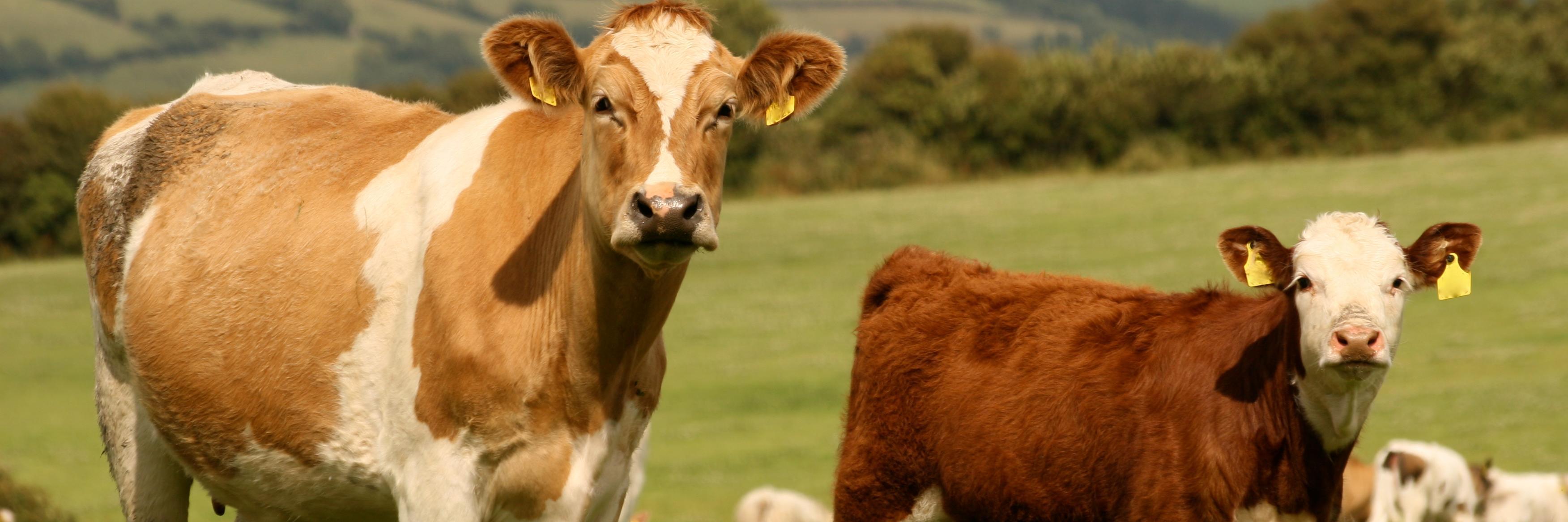
Lungworm infection or ‘hoose’ is one of the most important respiratory diseases of cattle in Ireland. Clinical disease is most commonly seen in first season grazing calves but can also be seen in older cattle that have failed to develop or maintain their immunity. Disease due to lungworm is most commonly seen in the second half of the grazing season, when large numbers of lungworm larvae can appear on pastures.
Farmers should monitor cattle closely for signs of lungworm infection throughout the grazing season, and in the period shortly after housing. Lungworm infection commonly causes an intermittent cough, particularly after exercise. However, more serious signs of respiratory distress, including coughing at rest, increased respiratory rate and open mouth breathing may be seen in severely affected animals.
Deaths may also occur, particularly if treatment is delayed. Infected adult cows may also have a severe drop in milk yield, and this can be observed prior to development of respiratory signs. Viral and/ or bacterial pneumonias can be seen as a secondary complication of lungworm infection.
Causes of lungworm infection:
- Lack of immunity amongst stock
- Heavily infected pasture
- Humidity and rainfall
- Geographical location
Clinical signs of lungworm infection:
- Moderate to severe coughing after mild physical activity
- Increased respiratory rate,
- Open mouth breathing (In severe cases)
- Secondary pneumonia
- Decreased milk yield,
- Decreased weight gain.
Diagnosis of lungworm infection:
- Clinical signs (coughing, increased respiratory rate etc)
- History (exposure status and time of year)
- Bronchoalveolar lavage
- Faecal examination (larvae may be found using the Baermann technique if lungworm infection is patent. However, this will not diagnose pre patent disease)
- ELISA testing
Treatment/Control of lungworm infection:
- Anthelmintic treatment at appropriate times
- Vaccination
- Pasture management
While still diagnosing active cases of lungworm within the Regional Veterinary laboratories at present it is felt that the return of wet weather after the long hot spell could lead to an increase in disease.
Consult your private veterinary practitioner for advice on how best to prevent and control lungworm infection in your animals.