Bovine respiratory disease (BRD) is consistently the most significant cause of morbidity and mortality in cattle in all ages worldwide. Owing to the multi-factorial aetiology of BRD which involves the interaction between environmental factors, host factors and pathogens, control of the disease can be difficult to effect within specific herds.
| In 2017 , 609 submitted carcasses were diagnosed as BRD on Post-Mortem examination.
Table 5.1: Count and relative frequency of pathogenic agents detected in BRD cases diagnosed on P-M examination, n=( 609 )
| Organism | Count | Percentage |
|---|
| Bacterial |
279 |
46.3 |
| Parasitic |
126 |
20.9 |
| Viral |
104 |
17.2 |
| No agent identified |
87 |
14.4 |
| Fungal |
2 |
0.3 |
Table 5.2: Count and relative frequency of pathogenic agents detected in BRD cases diagnosed on P-M examination, n=( 609 )
| Organism | Count | Percentage |
|---|
| Dictyocaulus spp |
126 |
20.9 |
| No agent identified |
85 |
14.1 |
| Pasteurella multocida |
78 |
12.9 |
| Mannheimia haemolytica |
63 |
10.4 |
| RSV |
52 |
8.6 |
| Mycoplasma bovis |
45 |
7.5 |
| Trueperella pyogenes |
39 |
6.5 |
| Others minor organisms |
38 |
6.3 |
| IBR virus |
23 |
3.8 |
| Haemophilus somnus |
18 |
3.0 |
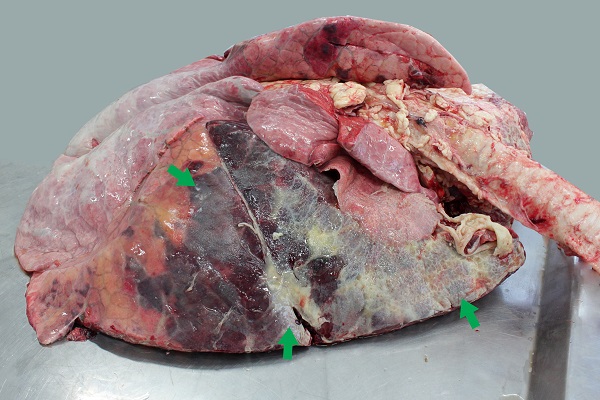
Figure 5.1: Characteristic fibirnous bronchopneumonia caused by Mannheimia haemolytica. Photo:Cosme Sanchez-Miguel
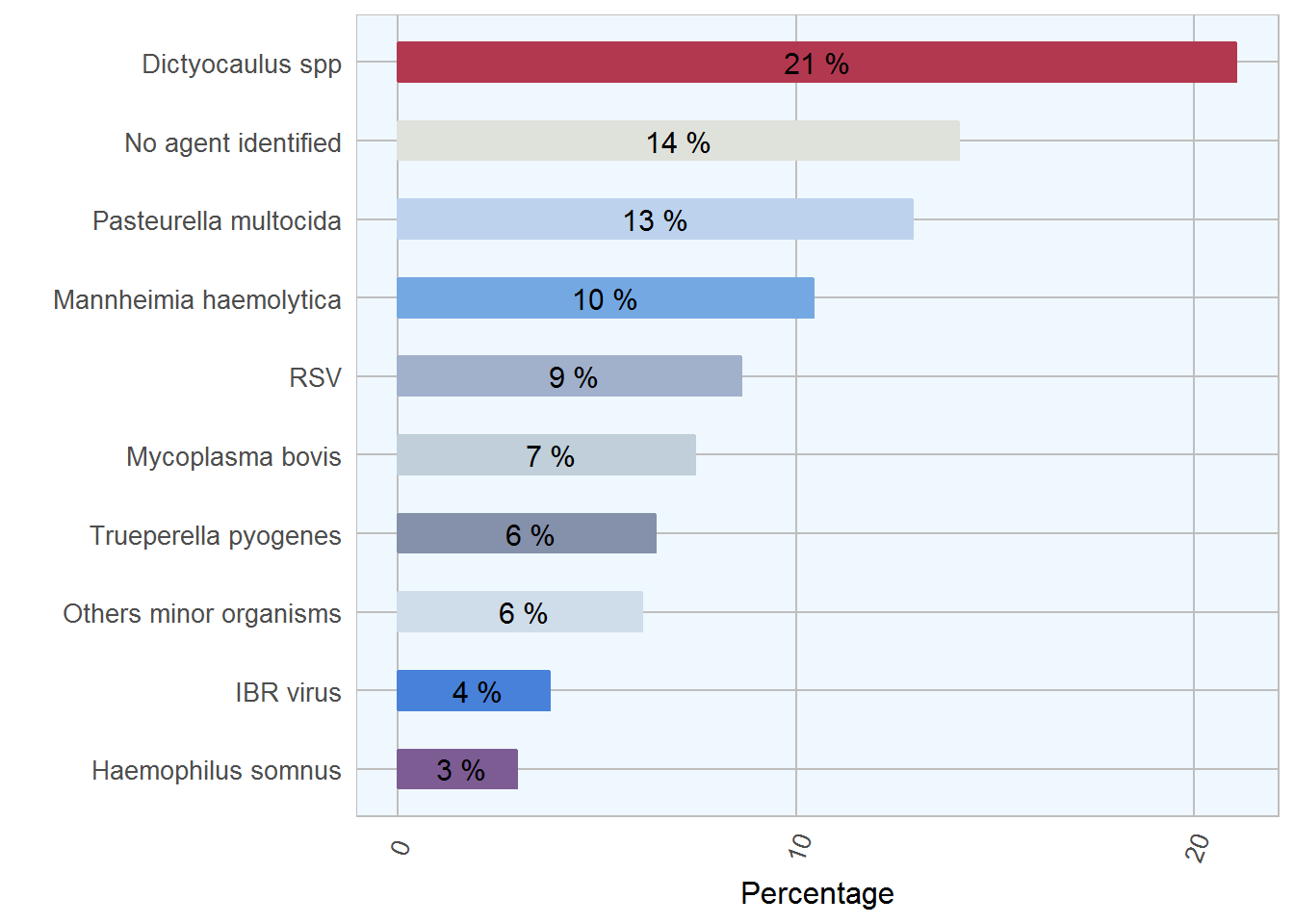
Figure 5.2: The relative frequency of detection of selected bovine respiratory pathogens.